Halloween is often seen as a holiday for candy, costumes, and childhood nostalgia but for many adults, it carries a different kind of energy: one of mystery, seduction, and sexual play. In fact, Halloween is one of the few mainstream events where adults are encouraged to step out of their daily identities and embody something wild, dark, or forbidden. This annual suspension of norms creates a unique atmosphere where turn-ons thrive blurring the lines between fear and fantasy, reality and roleplay.
The Psychology Behind Halloween Arousal
At the heart of Halloween’s erotic charge is psychological permission. For most of the year, people are encouraged to act appropriately, dress modestly, and suppress certain impulses. But on Halloween, those rules relax. Costumes allow for anonymity or exaggeration. You can become a vampire, a witch, a villain, or a hero. This transformation lets people explore parts of themselves that are usually hidden often with boldness and humor.
Psychologically, this roleplay can be liberating and arousing. It taps into the human fascination with power, identity, and taboo. A quiet office worker might dress as a dominatrix. A shy student may show up as a shirtless werewolf. In these personas, people are often bolder, flirtier, and more willing to take risks—which can be a major turn-on, both for themselves and for others.
Costumes, Curves, and Confidence
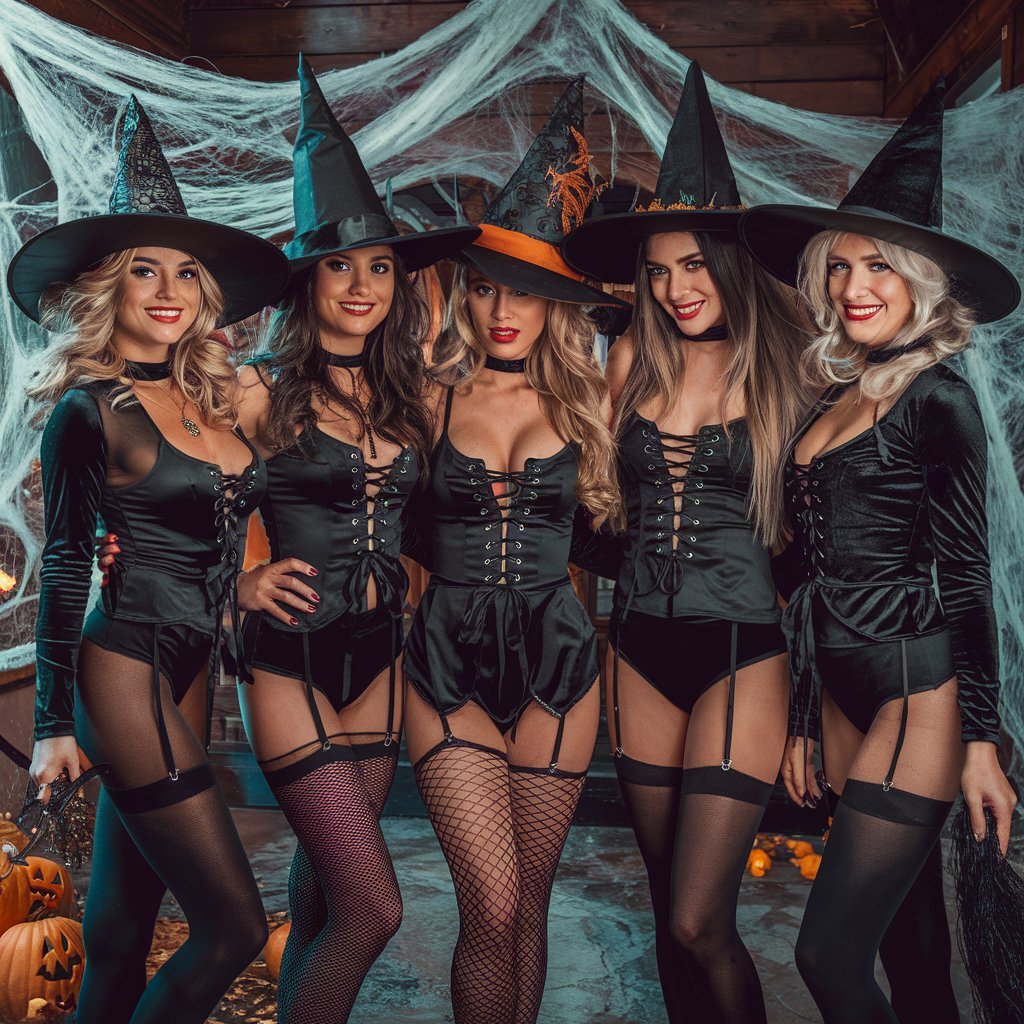
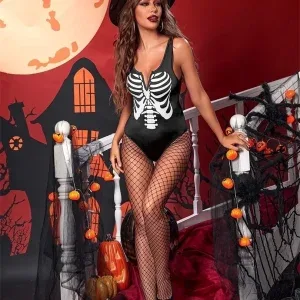
One of the most visible elements of Halloween’s eroticism is the costume culture which often leans toward the sexy, outrageous, or suggestive. Whether it’s the infamous “sexy nurse” trope or a creatively revealing demon costume, Halloween gives people permission to play with their appearance without judgment.
For many, this boost in body confidence is a huge turn-on. People feel more attractive because they’re expressing themselves in a bold, unapologetic way. For others, seeing partners or strangers in fantasy-inspired outfits can ignite desire through visual stimulation and novelty. After all, attraction is as much about context and imagination as it is about physical appearance.
Fear and Arousal: The Adrenaline Connection
Interestingly, there’s a biological connection between fear and arousal. Both experiences trigger similar physical responses: a racing heart, quickened breath, heightened awareness. That’s why haunted houses, scary movies, or eerie encounters can actually intensify romantic or sexual feelings.
This refers to excitement transfer where the arousal from fear can be misinterpreted or redirected as attraction. On Halloween, when fear and fun are combined, this crossover can lead to electric chemistry between people. It’s not just the costume it’s the thrill, the adrenaline, the edge of danger that turns people on.
Taboos and the Erotic Unknown
Halloween is also about exploring taboos death, darkness, seduction, the supernatural. These are themes most people avoid in polite society but secretly find fascinating. Many Halloween turn-ons stem from this dance with the forbidden. There’s something deeply erotic about breaking the rules, especially in a setting where it’s culturally accepted even expected.
Whether it’s vampire lore filled with themes of surrender and control, or witchy seduction tied to feminine power and mystery, Halloween is rich with symbolic sexuality. These archetypes have long been part of erotic fiction and fantasy and Halloween lets them come to life, at least for one night.
The Social Side of Fantasy
Finally, Halloween is a social celebration, often marked by parties, dancing, and alcohol all of which lower inhibitions. The combination of group energy, visual stimulation, and altered social norms makes for a highly charged environment. Flirting feels safer. Conversation feels more playful. In this space, turn-ons become part of the collective mood not just a private feeling.
For couples, Halloween can be a chance to reignite desire by exploring fantasies together. For singles, it can be a time to connect with others in a setting that encourages curiosity and openness. In either case, Halloween’s erotic power lies in its permission to play to be someone else, or more fully oneself.
Halloween is more than tricks and treats—it’s a celebration of the senses, the shadow, and the self. The turn-ons associated with this holiday aren’t just about sexy costumes or spooky stories. They’re about what happens when people feel free to explore, express, and engage with desire in a playful, uninhibited way. In a world that often discourages such freedom, Halloween offers a rare, delicious exception.