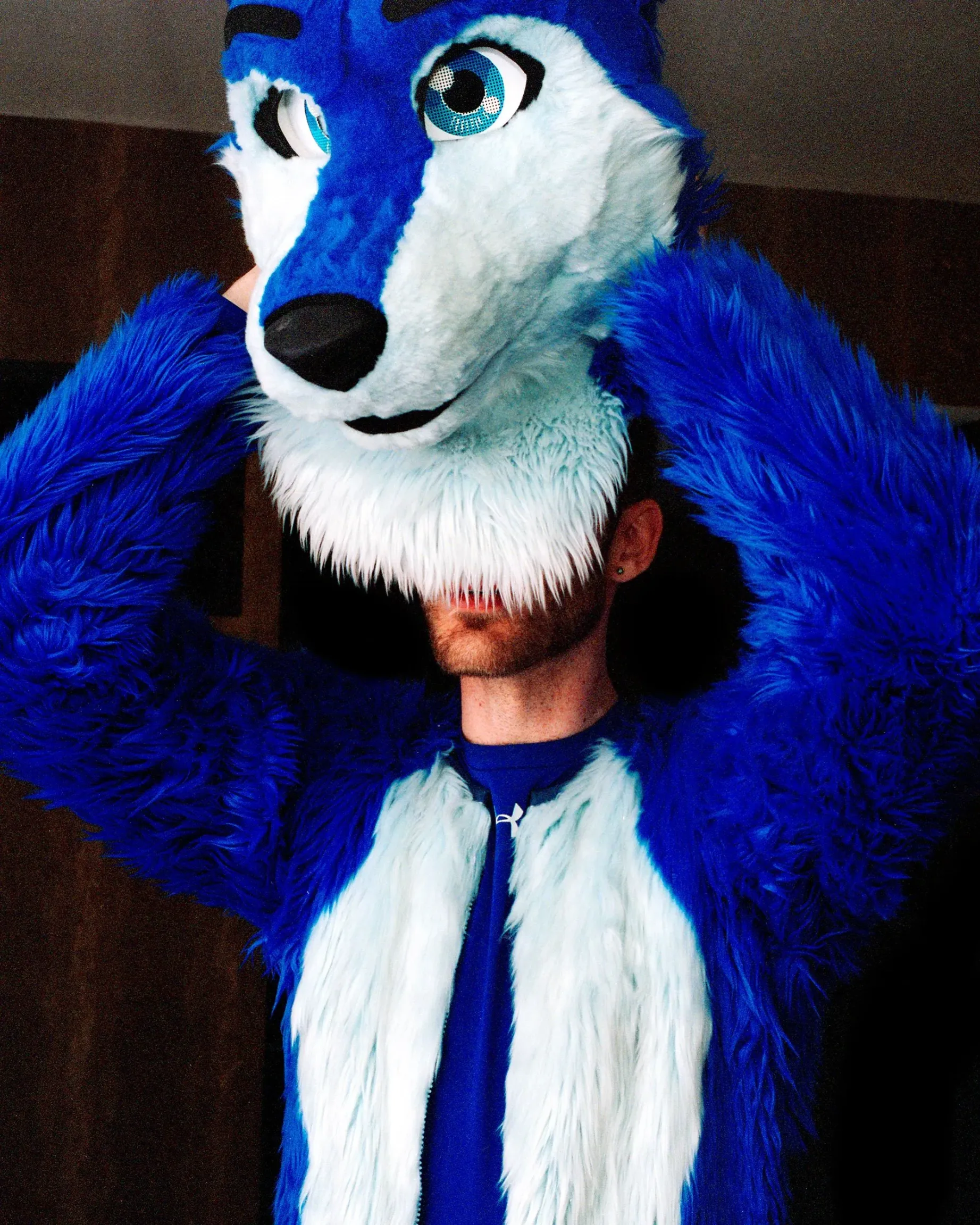
When people hear the word furry, assumptions often rush in many of them inaccurate. At its core, the furry community is made up of adults who enjoy anthropomorphic animal characters as a form of identity, creativity, expression, or belonging. For many, it has far less to do with sex and far more to do with psychology, imagination, and community.
For grown adults, identifying as or participating in furry culture is often about self-expression. Creating a fursona an animal character that represents aspects of one’s personality can feel freeing. It allows people to explore traits they may not feel comfortable expressing openly in everyday life, such as confidence, playfulness, softness, or strength.
Another major factor is community. Many adults find acceptance and connection within furry spaces, especially if they’ve felt out of place elsewhere. The fandom offers creativity, art, storytelling, conventions, and friendships built around shared imagination rather than status, appearance, or traditional social roles.
There’s also a strong psychological comfort element. Animal symbolism has existed in human culture for thousands of years totems, spirit animals, mythology, and masks all reflect humanity’s long relationship with animal identity. For some adults, furry identity taps into that same symbolic language, offering grounding, escapism, or emotional safety.
It’s important to separate furry identity from sexual assumptions. While, like any large community, some individuals may sexualize aspects of it, that is not the defining feature. Many adult furries are artists, professionals, parents, and everyday people whose involvement is creative or social rather than sexual.
Criticism often comes from misunderstanding or discomfort with nontraditional identity expression. Adults are generally expected to “outgrow” imagination, play, or fantasy but there’s no psychological rule that says creativity must end at a certain age. In fact, research consistently shows that imaginative outlets support emotional regulation, stress relief, and mental health.
Being a furry doesn’t mean someone is confused, immature, or disconnected from reality. For most, it’s simply one layer of identity no different from cosplay, role-playing games, fandoms, or other forms of symbolic self-expression.
At its healthiest, furry identity is about choice, creativity, and consent. When it brings joy, connection, and self-understanding without harming others, it doesn’t need justification.
Understanding doesn’t require participation only respect. Adults are allowed to explore who they are, how they express themselves, and where they feel they belong, even when that expression doesn’t fit mainstream expectations.