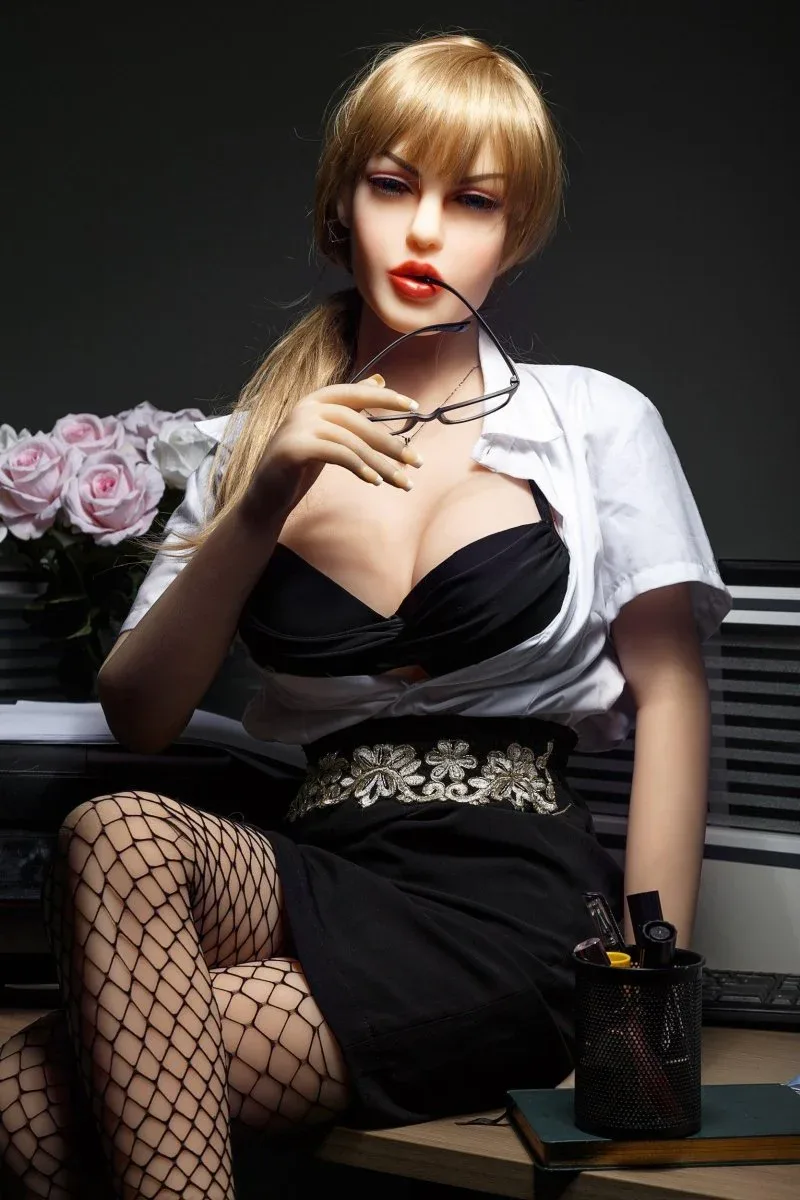
The idea of being in love with dolls is something that tends to spark curiosity, confusion, or quick judgment. But beneath the surface reaction lies a deeper psychological and emotional conversation about attachment, imagination, and the ways human beings seek comfort and connection. Love, at its core, is about projection, meaning, and emotional bonding. And sometimes, those bonds form in unexpected places.
Humans are wired to attach. From childhood, we often form deep connections to objects stuffed animals, blankets, toys. These objects become symbols of safety, familiarity, and emotional regulation. For some adults, that attachment doesn’t disappear. Instead, it evolves. Dolls can represent, Control in a chaotic world, Safety without emotional unpredictability, A form of companionship without rejection, A space for fantasy and imagination, Unlike human relationships, dolls do not argue, abandon, criticize, or disappoint. For individuals who struggle with rejection, trauma, or social anxiety, this predictability can feel profoundly comforting.
Fantasy vs. Reality
Falling in love with a doll is often less about the physical object and more about the narrative created around it. People naturally anthropomorphize they assign personality, emotion, and story to inanimate objects. The emotional bond forms through imagination. For some, it becomes a creative outlet. For others, it may function as emotional coping. The mind can create powerful attachments when it fills in emotional gaps.
Control and Emotional Safety
Human relationships are complex. They involve vulnerability, compromise, conflict, and unpredictability. For someone who finds those dynamics overwhelming, forming attachment to a doll can feel safer. There is no fear of, Betrayal, Emotional manipulation, Rejection, and Abandonment. The relationship exists entirely within the boundaries of the person’s comfort. In that way, it can serve as emotional protection.
When It Becomes a Concern
There is a difference between fantasy, comfort attachment, and full social withdrawal. If attachment to an object replaces all human interaction, prevents growth, or stems from untreated trauma, it may signal a deeper need for support. The issue isn’t the attachment itself it’s whether it limits a person’s ability to live a balanced life. Many people use fictional worlds, characters, or symbolic objects as emotional companions without losing their grounding in reality. The key factor is awareness and functionality.
Loneliness in a Modern World
Modern society has paradoxically increased isolation. Digital relationships often replace physical presence. Social anxiety is rising. Trust is fragile. In that context, unconventional forms of attachment are less surprising. They reflect a desire for connection even if that connection feels safer in fantasy than in reality.
The Human Core of It All
At the heart of being “in love with dolls” is not the doll itself. It is the human need to, Feel seen, Feel understood, Feel safe, Feel in control of emotional risk, Attachment, even unconventional attachment, often reveals unmet emotional needs rather than something inherently strange.
Compassion Over Judgment
Rather than reacting with ridicule, it’s more useful to ask, What emotional need is being fulfilled here?Sometimes, what looks unusual from the outside is simply someone trying to manage vulnerability in a way that feels survivable. Love is complex. Attachment is complex. And human coping mechanisms are rarely as simple as they appear. Understanding the emotional layer beneath the surface tells a far deeper story than the object itself ever could.